South Korea's Economic Growth Slows
As we delve into the economic landscape of South Korea in 2024, the narrative is punctuated by a challenging recovery journey that has proven to be less than straightforward. At the dawn of the year, the populace was engulfed in optimism, anticipating a vigorous resurgence from previous downturns. However, reality has swiftly painted a more subdued picture. The Bank of Korea's preliminary accounting reveals that the nation's real GDP growth stands at a mere 2%, a disappointing drop from the prior forecast of 2.2%. While this figure doesn't necessarily indicate a catastrophic failure, it certainly falls short of the high hopes that citizens held. The fourth quarter presented particularly disconcerting signs, as GDP growth slowed to just 0.1% on a quarterly basis, accompanied by a mere 0.3% increase in exports, leaving a palpable sense of economic lethargy in its wake.
In retrospect, early 2024 had promised a more favorable outset for the Korean economy. However, as the months progressed, the slowdown of export growth and the dampening of domestic demand began to reveal themselves. This begs the question: what has been the principal factor behind South Korea's economic sluggishness? Is it the unpredictable dynamics of the global economic environment, the ramifications of domestic policy adjustments, or a convoluted blend of both?
The prevailing context of weakened economic growth and obstacles facing exports and internal demand has led many analysts to predict that the Bank of Korea may consider an interest rate cut as early as February. This move is anticipated as a pivotal strategy to bolster a flagging economy. Such a decision would directly respond to the complex economic situation currently unfolding. Implementing a rate cut would significantly reduce the cost of financing for businesses, incentivizing investment and expansion, ultimately aiming to revitalize job growth. Moreover, it might enhance consumer willingness to borrow and spend, injecting fresh dynamism into the consumer market. Nonetheless, this approach also mirrors the growing trepidation within the Bank of Korea regarding the broader economic outlook. The successive downward adjustments to growth forecasts underscore the severe challenges currently confronting the South Korean economy. An interest rate reduction signifies the central bank's endeavor to leverage monetary policy as a countermeasure against economic downturns, reflecting a wavering confidence in the economy's ability to self-recover swiftly. Should the economic situation continue to falter, a deeper crisis could ensue.
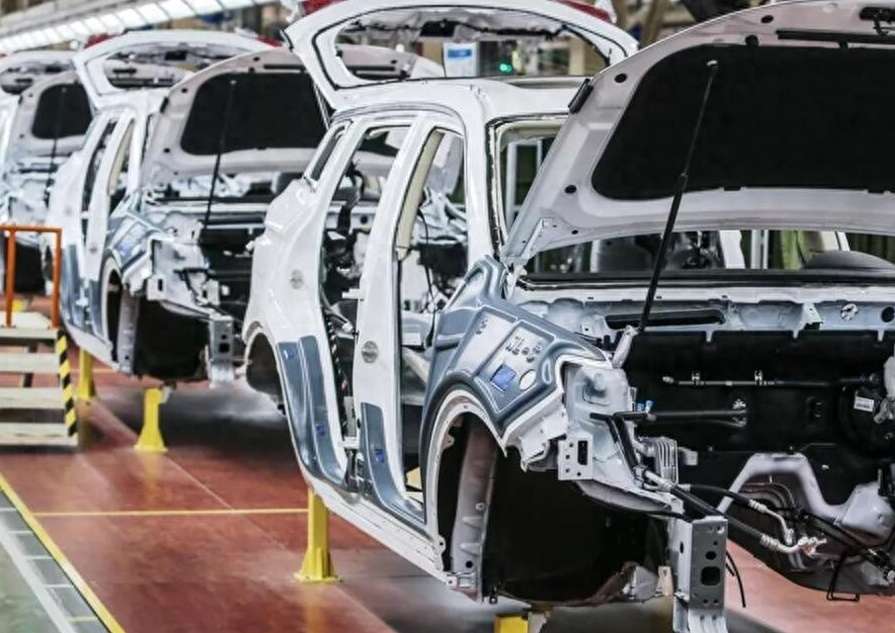
At present, the South Korean economy finds itself in a quagmire, wrestling with an array of difficult challenges. The significant revision of economic growth expectations has been akin to dousing a once-thriving flame with cold water, instilling doubt about future developments across various sectors. The lackluster performance of GDP growth in the fourth quarter, falling short of projections, clearly highlights the prevailing economic malaise. For a country where exports have historically served as a cornerstone of economic performance, the recent surge in global protectionism and escalating geopolitical tensions have impeded the momentum of exports. Core products, including semiconductors and automobiles, have experienced a downturn in orders, which is understandably detrimental to the overall economic framework. Concurrently, the prolonged stagnation in domestic demand poses a severe threat to South Korea’s economic trajectory. The local consumer base, beset by instability in the job market and rising inflation, has curtailed its spending intent, leading to a lackluster consumer market that severely limits economic growth potential. Unless measures to remedy the dual challenges of export and internal demand are effectively implemented, the road to economic recovery for South Korea will remain fraught with hurdles.
In light of these challenges, it stands imperative for the South Korean government and the central bank to adopt a more proactive stance. Beyond contemplating potential interest rate cuts, they must also focus on fiscal policy adjustments that could stimulate economic growth, such as enhanced public investment and tax relief initiatives. Attention should also be given to structural reforms aimed at augmenting economic competitiveness and fostering innovation to better prepare for shifting global economic currents.
Throughout this tumultuous journey, it is essential to recognize that while economic data is undeniably critical, it does not wholly encapsulate the health of a nation’s economy. The quality of economic growth must also come under scrutiny, encompassing metrics like employment rates, residents' income levels, and social welfare considerations. Thus, as the pursuit for economic growth ensues, it is vital to ensure that the benefits of this growth reach a broader segment of the population and promote societal well-being.
Looking ahead, the path toward a revitalized South Korean economy is riddled with challenges. The uncertainties inherent in the global economic landscape, the intricacies of domestic policy changes, and the need to address structural issues present formidable obstacles. Still, South Korea boasts several notable strengths, including a robust manufacturing base, a highly skilled workforce, and a pivotal role in the global economy. If adequately equipped to tackle these challenges, the potential for economic revival and growth remains vast.
As observers, it is crucial to maintain a balanced and objective perspective during these turbulent times. Economic data may fluctuate, reflecting the natural ebb and flow of the market; however, it is essential to identify overarching trends rather than become overly fixated on short-term fluctuations. Additionally, the long-term implications of economic policies deserve careful consideration, rather than merely focusing on immediate outcomes.
In conclusion, although the South Korean economy's performance in 2024 may have fallen short of expectations, this scenario does not equate to a loss of hope. Through diligent policy adjustments and structural reforms, there remains a genuine opportunity for recovery and growth within the Korean economy. As part of this global community, it is imperative for us to maintain faith in South Korea's economic future, eagerly anticipating a dawn of renewed prospects and prosperity ahead.
You may also like